This type of blood clot can cause heart attack or stroke. Although rapid diagnosis and treatment are critical in preventing PE mortality and major morbidity due to conditions such as postthrombotic syndrome may.
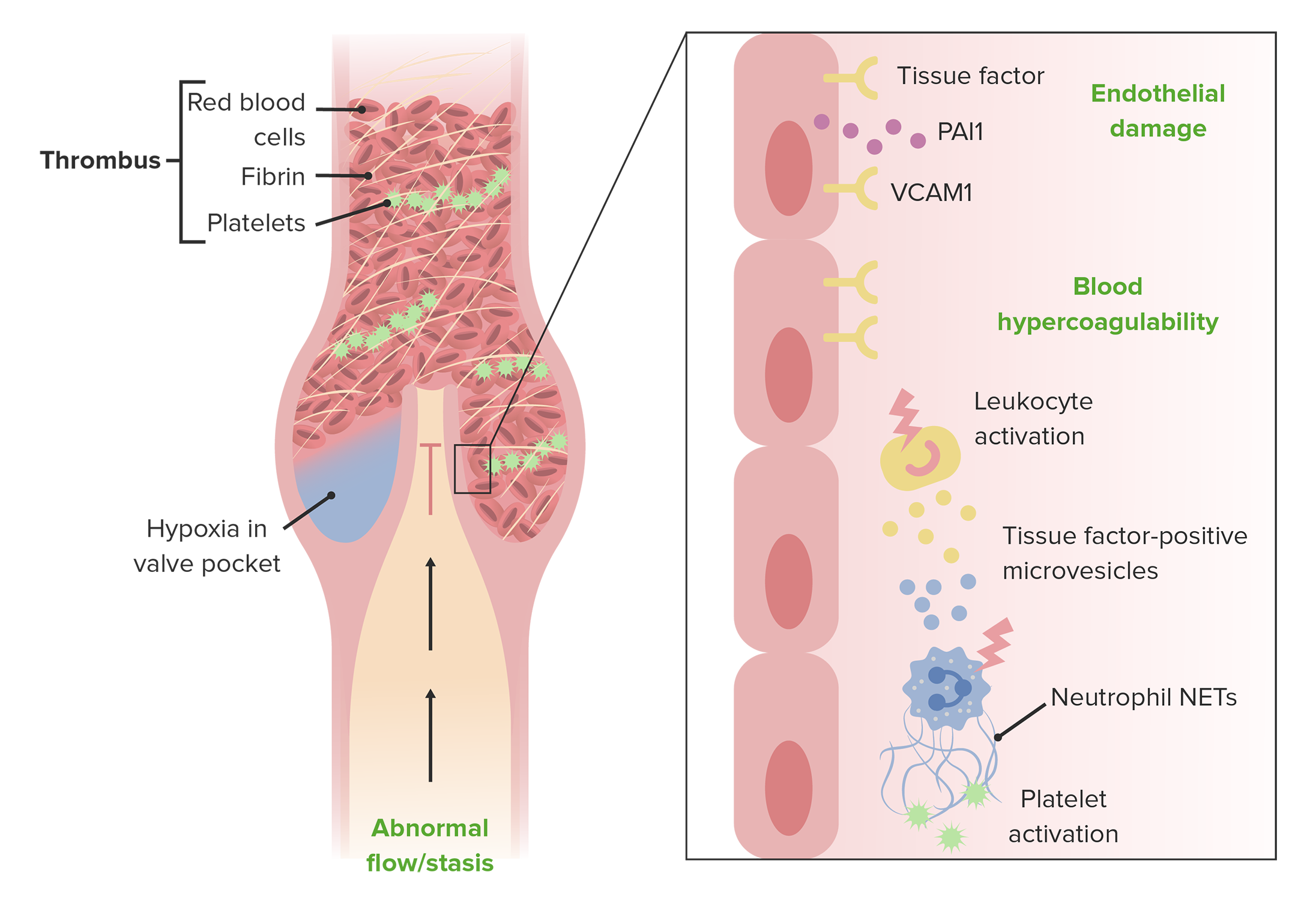
Deep Vein Thrombosis Concise Medical Knowledge
If a patient presents with signs and symptoms of DVT carrt out an assessment of general medical history and a physical examination to exclude other causes.

. When duplex ultrasound is used to scan for a deep vein thrombosis DVT or thrombosis of the superficial veins superficial thrombophlebitis the ultrasound is used to. Venogram remains the gold standard for the diagnosis of deep venous thrombosis. Assessment Urgent Referral This condition requires urgent referral.
However ultrasound is the most accurate non-invasive test to diagnose deep venous thrombosis. It often goes unnoticed and dissolves on its own. Other risk factors and variables must be considered during a deep vein thrombosis assessment.
Nursing Assessment of Deep Vein Thrombosis D eep vein thrombosis DVT is a commonly occurring condition with potentially serious complications. Pain in your shoulder arm back or jaw. This activity reviews the ultrasonographic evaluation of deep venous thrombosis and highlights the role of the interprofessional team in managing patients with this condition.
Deep vein thrombosis DVT occurs when a blood clot thrombus forms in one or more of the deep veins in your body usually in your legs. To diagnose DVT your doctor will ask you about your symptoms. You can get DVT if you have certain medical conditions that affect how your blood clots.
It most often occurs in the deep veins of the leg but also can be. Patients with symptomatic DVT can present with pain swelling tenderness along the distribution of the deep leg veins erythema or cyanosis. Deep vein thrombosis usually occurs in the lower leg.
The pictures can show the. Ad Get The Facts About Deep Vein Thrombosis Pulmonary Embolism Discover Common Symptoms. Deep vein thrombosis can cause leg pain or swelling but also can occur with no symptoms.
Rapid breathing or shortness of breath. A blood clot in your legs can also happen. It uses sound waves to make pictures of the inside of your body.
According to the Centers for Disease Control and Prevention CDC 2012 some 200000-400000 people in the United States develop DVT each year. A DVT Is A Blood Clot Which Can Travel To The Lungs And Lead To A PE. Thrombosis is the medical term for the formation of a blood clot in a blood vessel.
This is often the main imaging test for diagnosing DVT. Pain when you breathe. Assessment of Deep Vein Thrombosis or Pulmonary Embolism by the Combined Use of Clinical Model and Noninvasive Diagnostic Tests.
Tests used to diagnose or rule out a blood clo. Compression ultrasonography for suspected deep vein thrombosis is the standard diagnostic method and it is highly sensitive for detecting an initial DVT. 95 of all pulmonary emboli are from DVT and have a 30 mortality rate.
Venous ultrasound is used to detect blood clots especially in the main veins of the leg a condition often referred to as deep vein thrombosis. The two-level Wells score is a systematic standardised approach to deep vein thrombosis assessment. But it may cause symptoms like pain and swelling.
Untreated proximal DVT can lead to pulmonary emboli in up to 50 of patients. Presenting signs and symptoms. The procedure for a leg assessment for a suspected deep vein thrombosis is within the skillset of nurses.
A compression ultrasound is considered positive when the vein walls of normally compressible veins do not collapse under gentle pressure. A blood clot in a deep vein of the leg pelvis and sometimes arm is called deep vein thrombosis DVT. Venous thromboembolism VTE is a common disorder that can lead to substantial morbidity and mortality through the clinical manifestations of deep vein thrombosis DVT and pulmonary embolism PE.
A blood clot in an artery usually in the heart or brain is called arterial thrombosis. Nursing management for deep vein thrombosis entails the following. The tests you have depend on whether your doctor thinks you are at a low or a high risk of DVT.
In deep vein thrombosis DVT the blood clot forms in one of the larger deeper veins that run through the muscles. Deep vein thrombosis DVT and pulmonary embolism PE are relatively common diseases and are amenable to therapy but with a potentially fatal outcome if untreated. The diagnosis can be made in most patients with use of the noninvasive.
This type of blood clot does not cause heart attack or stroke. Youll also have a physical exam so that your doctor can check for areas of swelling tenderness or changes in skin color. Assessment of a patient with deep vein thrombosis include.
Deep Vein Thrombosis DVT Thrombophlebitis. If you have a blood clot and it breaks free it. A proper clinical assessment includes a careful evaluation of the patients signs symptoms and risk factors for venous thrombosis.
Assessment for Deep andor Superficial Thrombosis.
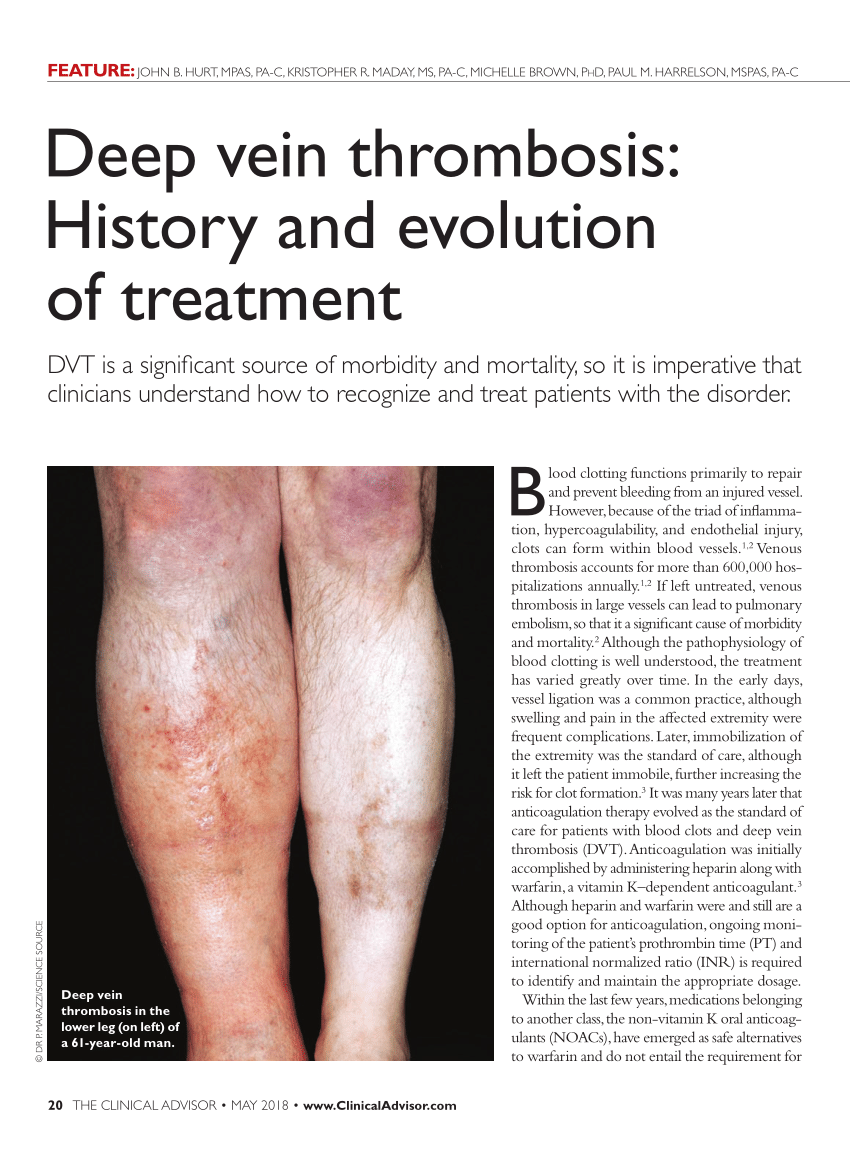
Pdf Deep Vein Thrombosis History And Evolution Of Treatment
Deep Vein Thrombosis Dvt Risk Factors Pulmonary Embolism

Deep Vein Thrombosis Treatment In Phoenix Arizona
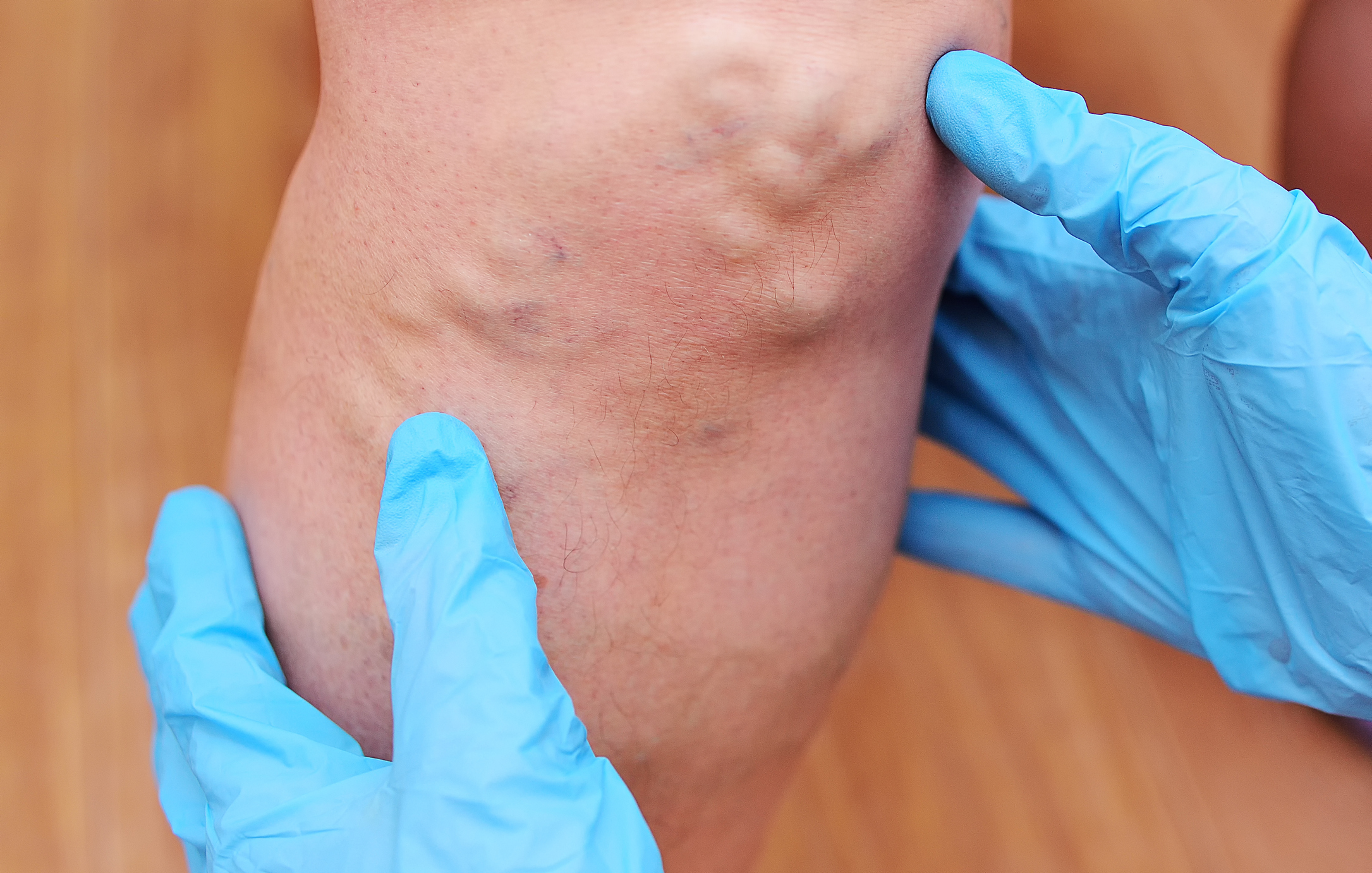
What Is A Deep Vein Thrombosis Dvt



0 Comments